Hail Damage to Siding: What to Inspect, Repair, or Replace
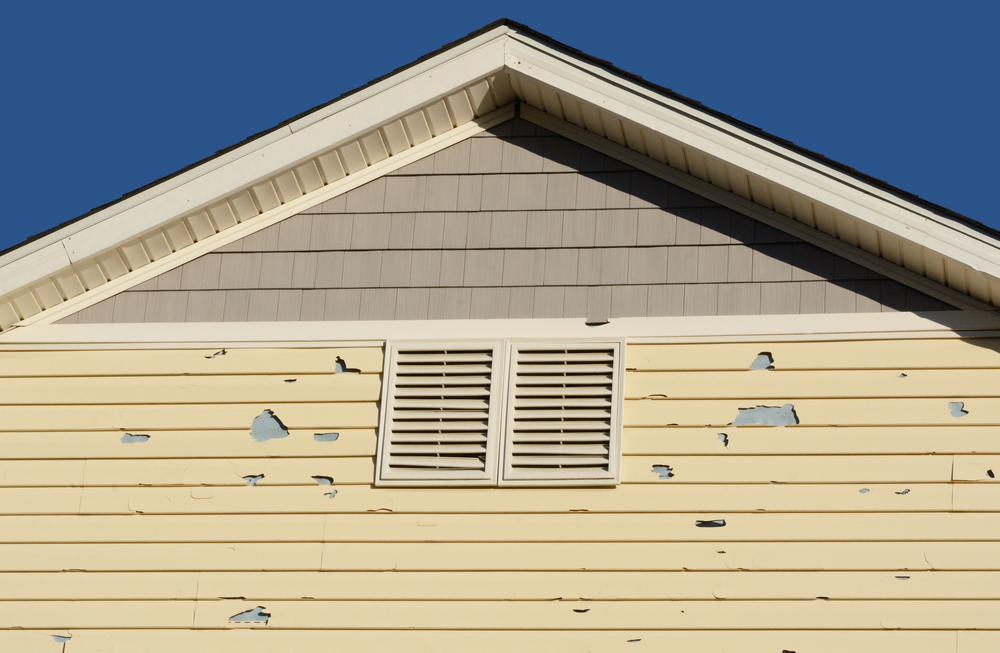
Hail damage to siding is one of the most common post-storm problems homeowners face. Some damage is obvious, but most isn’t. And if you skip the inspection, small issues can quietly turn into big (and expensive) structural problems.
Here’s what you need to know: how hail damages siding, what to look for during your inspection, when to repair vs. replace, and when to put down the ladder and call a professional.
What Is Hail Damage to Siding?
Hail damage to siding refers to any impact-related deterioration—dents, cracks, punctures, or splintering—caused by frozen precipitation striking the exterior surface of a home. Damage may be cosmetic or structural, and is often most severe on the side of the house facing the storm.
How Does Hail Damage Siding?
Hail damages siding through direct physical impact, and the severity depends on hail size, wind speed, storm angle, and your siding material. Even hail as small as 1” in diameter can cause dents, cracks, and surface fractures that compromise your siding’s protective seal.
According to the Insurance Information Institute, hail causes billions of dollars in property damage annually in the U.S., with siding and roofing accounting for the majority of claims.
What Factors Make Hail Damage Worse?
- Hail size: 1”+ hail is large enough to crack or puncture most siding materials.
- Wind angle: Storms driving hail sideways create far more impact force.
- Siding age: Older, more brittle siding is significantly more vulnerable.
- Previous damage: Pre-existing cracks or weaknesses amplify impact effects.
What Does Hail Damage Look Like on Siding?
The most reliable sign of hail damage is a pattern of impact marks concentrated on one side of the house (usually the side facing the prevailing storm direction). Hail damage on siding doesn’t always look dramatic, and that’s exactly why it often gets missed.
Here’s a breakdown of what hail damage looks like on different siding materials.
| Siding Material | Common Hail Damage Signs | What to Look For |
| Vinyl | Cracks, holes, dents, fracture lines | Check for spiderweb cracking; press gently to test flexibility |
| Wood | Splits, dents, gouges, paint loss | Look for fresh wood grain exposed at impact points |
| Engineered Wood (LP® SmartSide®) | Surface indentations, paint chips, cracks | Inspect edges and seams where impact force concentrates |
| Aluminum | Dents, dings, surface dimpling | Uniform dent patterns across panels |
Note: Hail damage to siding can be subtle. If you’re unsure, a professional contractor or insurance adjuster can provide a definitive assessment.
How to Inspect Your Siding for Hail Damage: Step-by-Step
A thorough inspection is the first step after any significant storm. Work through these steps methodically before calling your insurance company or a contractor. And remember, documentation is everything!
Step 1. Do a Ground-Level Visual Scan
Start from the ground and walk the full perimeter of your home. You’re looking for obvious signs: large cracks, missing panels, visible holes, or sections of siding that appear out of alignment.
Pay particular attention to:
- The side of the house facing the prevailing wind during the storm
- Corners and edges, where impact damage tends to be more severe
- Areas near windows and doors where siding meets trim
- Ground-level debris (fragments of siding material are a strong indicator)
Step 2. Get Up Close to Look for Impact Marks
Once you’ve done your ground scan, get closer (safely) to inspect individual panels. Hail impact marks often look like small circular or oval indentations, sometimes with cracking around the edges.
On vinyl siding in particular, look for:
- Hairline fractures radiating from one point
- Areas where the siding has become brittle or warped
- Any spot where the siding has separated from the wall or from adjacent panels
For wood or engineered wood siding like LP® SmartSide®, look for fresh impact points where the surface coating has been broken, exposing the material underneath.
Step 3. Check Surrounding Structures for Confirmation
Siding damage rarely exists in isolation. If hail hits your house, it hits everything else too. Use your mailbox, air conditioning unit, window screens, and downspouts as confirmation.
Step 4. Document Everything with Photos
Before you touch anything, photograph every sign of damage you find. Include wide shots showing location on the house and close-ups of individual impact marks. This documentation is essential for insurance claims and contractor estimates.
Some hail damage documentation tips:
- Use natural light when possible for the clearest images
- Include a coin or ruler in close-up photos to show scale
- Note which side of the house each photo was taken on
Step 5. Test Panels for Hidden Structural Damage
Some hail damage weakens siding without producing visible cracks. Gently press along panels that appear undamaged on the side facing the storm. Panels that feel unusually flexible, hollow, or that crackle slightly under light pressure may have internal fractures. This is especially common with older vinyl siding exposed to extreme temperature swings.
Should You Repair or Replace Your Siding After Hail Damage?
The decision to repair or replace hail-damaged siding comes down to the extent of damage, your siding’s age, and your long-term goals for the home.
Here’s a breakdown to help you decide.
| Factor | Repair | Replace | Why It Matters |
| Damage Area | 1-2 isolated panels | Multiple panels or full side of house | Widespread damage rarely makes sense to repair piecemeal |
| Siding Age | Less than 10 years old | 15+ years (especially vinyl) | Older siding is brittle and often can’t be matched for color/style |
| Structural Integrity | Surface damage only | Panels broken, water infiltration suspected | Water behind siding leads to mold, rot, and insulation damage |
| Material Match | Current siding still available | Discontinued product or color mismatch | Mismatched panels affect curb appeal and resale value |
| Insurance Coverage | Partial claim approved | Full replacement covered by claim | If insurance will pay for full replacement, it usually makes sense to do it |
| Future Plans | Selling in 5+ years, staying long-term | Selling in 1-2 years, planning updates | A full replacement with quality material (like LP® SmartSide®) adds value to your home |
Consider LP® SmartSide® for Siding Replacement
LP® SmartSide® engineered wood siding is worth a serious look if you’re replacing hail-damaged siding. Unlike traditional wood or vinyl siding, LP® SmartSide® is built with a zinc-borate treatment and resin-saturated overlay that better resists impact, moisture, and fungal decay.
- Designed to withstand impact better than standard vinyl siding
- Available in many colors and styles to enhance curb appeal
- Backed by a 5-year labor and 50-year limited product warranty
- Looks like real wood without wood’s vulnerabilities
Learn more about LP® SmartSide® and view all siding options at Standard Lumber & Supply >>
What Does Hail Damage to Siding Cost to Fix?
Repair costs vary depending on damage extent, siding material, and regional labor rates. Here are general benchmarks to help you plan.
| Scope of Work | Estimated Cost Range | Notes |
| Single Panel Repair | $150 – $400 | Depends on material and labor |
| Partial Side Repair (10-20 panels) | $500 – $2,000 | Color matching may be difficult on older siding |
| Full Side Replacement | $2,000 – $8,000 | Varies by home size and material choice |
| Full Home Re-siding | $8,000 – $20,000+ | Includes tear-off, materials, and installation |
Estimates sourced from HomeAdvisor and Angi. Actual costs vary by region and project scope. Get a local quote for accurate pricing.
If your home has sustained significant damage, contact your homeowner’s insurance provider before getting contractor estimates. Many policies will cover hail damage, and your adjuster’s assessment will be part of the repair decision.
What Happens If You Don’t Repair Hail-Damaged Siding?
Ignoring hail damage to siding is a short-term decision with potentially long-term consequences. Even cosmetic-looking damage can compromise your siding’s ability to protect your home from moisture, air filtration, and temperature extremes.
- Water infiltration: Cracked or fractured siding allows water to get behind the panels, leading to wood rot, mold growth, and insulation damage that can spread over months or years.
- Energy loss: Gaps and cracks in siding compromise your home’s thermal envelope, driving up heating and cooling costs.
- Pest entry: Damaged siding creates entry points for insects and small animals.
- Worsening structural damage: What starts as a surface crack can allow water to reach wall sheathing, framing, and insulation, turning what might be a $400 repair into a $4,000+ restoration.
- Insurance complications: Delaying repairs after a storm can give insurers grounds to deny future claims if the damage is deemed the result of neglect rather than the original storm event.
Should You DIY Siding Repair or Hire a Professional?
It depends on the scope. A single cracked panel on a single-story home may be within reach for a confident DIYer. But anything more complex, or anything involving potential water infiltration, is better left to a licensed contractor.
| Consider DIY If… | Hire a Pro If… |
| Damage is limited to 1-2 easily accessible panels | Damage spans multiple sides or an entire wall |
| You have the right tools and experience with siding installation | You suspect water has gotten behind the siding |
| Replacement material is a current, available product | You need an insurance inspection or documentation for a claim |
| The home is single-story with safe ladder access | The siding is engineered wood or fiber cement (requires more complex fastening) |
| You can color-match existing siding accurately | You want a warranty on materials and workmanship |
Standard Lumber & Supply works with professional siding contractors across Michigan and surrounding areas. If you need a referral or want to source the right materials for your project, our team can help. Talk to a siding specialist >>
Frequently Asked Questions About Hail Damage to Siding
How do I know if my siding has hail damage?
Look for circular or oval impact marks, cracks, dents, or areas where the surface coating has been broken. Walk the full perimeter of your home after a storm and pay closest attention to the side facing the prevailing wind. Use your gutters, downspouts, and AC unit as secondary confirmation—if they’re dented, your siding likely took a hit too.
Does hail damage to siding always need to be repaired?
Cosmetic dents on metal or aluminum siding may not require immediate repair if they haven’t compromised the material’s protective seal. However, any crack, fracture, or puncture on any type of siding should be addressed promptly to prevent water infiltration and structural damage.
Will my homeowner’s insurance cover hail damage to siding?
Most standard homeowner’s insurance policies cover hail damage as part of “windstorm and hail” coverage. Contact your insurer after any significant hail storm to request an inspection. Document all visible damage with photos before any repairs begin, as this documentation supports your claim.
What’s the best siding for hail-prone areas?
Engineered wood siding like LP® SmartSide® and fiber cement siding like James Hardie are generally considered the most impact-resistant options. Both are more durable than standard vinyl in hail-prone areas. Impact-resistant vinyl is also available and may qualify for insurance discounts in some states.
Can I replace just a few panels, or do I need to replace all the siding?
You can replace individual panels, but success depends on whether you can find a match to your existing siding’s color and profile. Siding styles and colors are periodically discontinued, which can make partial replacement visually obvious. If your siding is more than 10-15 years old, full replacement may produce a better result.
Don’t Wait on Hail Damage. Let Standard Help You Get It Fixed.
A crack in your siding today can mean water damage, mold, and costly structural repairs tomorrow. But catching it early and choosing the right materials for repair or replacement makes all the difference.
At Standard Lumber & Supply, we’ve been helping Michigan homeowners and contractors navigate these conditions for generations. Whether you’re sourcing siding for a full re-side, replacing a few panels, or just need guidance on what you’re looking at, our team is here to help.