
How Do You Organize a Kitchen? Smart Strategies for a More Functional Space
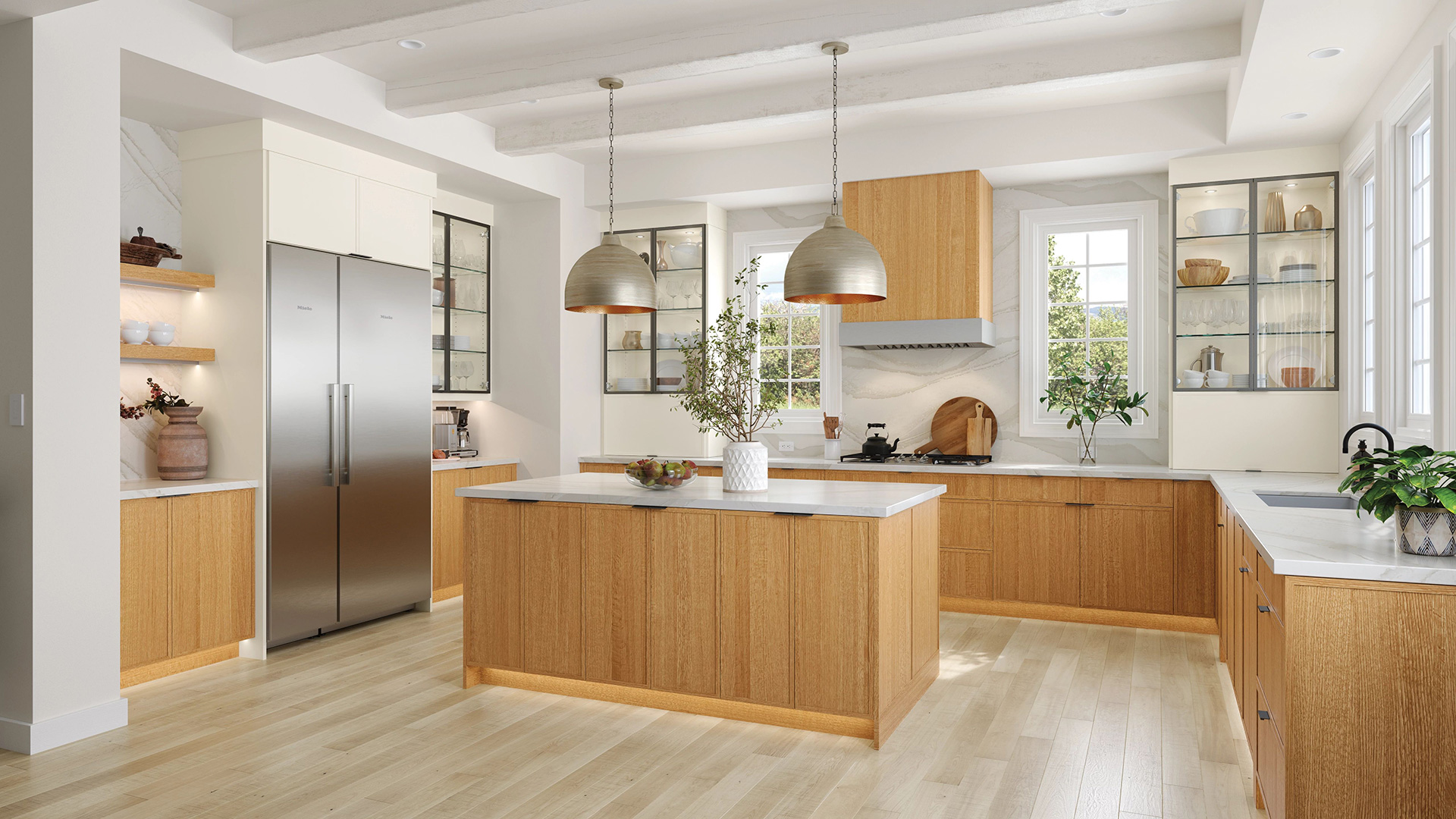
Organizing a kitchen starts with a few core elements: understanding how you use your space, grouping items intentionally, maximizing storage (especially inside cabinets), and choosing cabinetry and organizers that work with you—not against you.
A well-organized kitchen doesn’t just look better—it works better. It helps you cook with ease, clean up faster, entertain more confidently, and enjoy your home more fully. If not addressed, clutter can quickly become a daily frustration.
What Are the Benefits of Organizing a Kitchen Properly?
When your kitchen is organized with intention, it supports how you cook, move, clean, and gather in the space. Every drawer, cabinet, and shelf has a role to play—and when they’re working in harmony, the benefits show up in everyday moments.
#1. Less Stress, More Flow
An organized kitchen reduces decision fatigue. You’re not constantly searching for tools, rearranging items, or clearing space just to prep a meal.
When everything has a designated home, your kitchen feels calmer and more intuitive to use.
#2. Faster, More Enjoyable Cooking
When frequently used items are easy to reach and grouped logically, cooking becomes more efficient (and more enjoyable).
You can move seamlessly from prep to cooking to plating without unnecessary interruptions.
#3. Easier Cleanup
Organizing a kitchen properly means cleanup takes less time.
When dishes, containers, and cleaning supplies are stored where they make sense, everything goes back where it belongs quickly; no guesswork required.
#4. Better Use of Your Space
Many kitchens have plenty of storage—it’s just not being used effectively.
Smart organization helps you maximize what you already have, reducing clutter and making even smaller kitchens feel more spacious.
#5. Be Ready for Entertaining
Whether it’s a casual gathering or a holiday meal, an organized kitchen makes entertaining easier.
You can find what you need quickly, keep countertops clear, and focus on hosting instead of hunting for supplies.
How Do You Organize a Kitchen Effectively?
The key is to approach the process thoughtfully, step by step, rather than trying to tackle everything at once. Organization works best when it’s tailored to how you actually live.
The 6 Steps for Organizing a Kitchen
- Start by Assessing How You Use the Space: Before reorganizing, take stock of your habits. Where do you prep most often? Which cabinets do you reach into daily? Which items rarely get used? Organizing a kitchen should reflect real-life routines, not an idealized version of them.
- Group Items by Function: One of the most effective strategies is to store items based on how they’re used together. Keep cooking utensils near the stove, baking supplies in one zone, and food storage containers near the refrigerator or pantry. This minimizes unnecessary movement.
- Declutter Before You Organize: Organization works best when you’re not trying to store items you don’t use. Donate duplicates, retire broken tools, and let go of items that no longer serve your cooking style.
- Assign a “Home” to Everything: Every item in your kitchen should have a designated place. When everything has a clear home, it’s easier to put things away—and just as easy to find them again. This step is key to maintaining organization long-term.
- Organize by Frequency of Use: Store everyday essentials at eye level or within easy reach, and place rarely used items higher up or deeper in cabinets. This keeps your most-used tools accessible and reduces daily frustration.
- Test and Tweak the System: Once everything is in place, live with your new setup for a few weeks. If something feels inconvenient, adjust it. The best kitchen organization evolves with how you use the space.
Expert Strategies for Organizing a Kitchen
Maximize Vertical Storage
Vertical space is often underutilized in kitchens. Taller cabinets, stacked shelving, and interior cabinet organizers can dramatically increase usable storage.
This is especially important in kitchens where square footage is limited. Making use of vertical space keeps countertops clearer while ensuring items remain easy to access.
Consider Frameless Cabinets
One often-overlooked strategy when organizing a kitchen is cabinetry selection. European-style frameless cabinets offer more usable interior space than traditional framed cabinets because there’s no bulky frame or center stile taking up room. This means wider openings, deeper storage, and easier access to everything inside.
UltraCraft Cabinetry, available at Standard Kitchens, specializes in this full-access, frameless design. By maximizing interior cabinet space within the same footprint, UltraCraft cabinets allow homeowners to store more—without expanding their kitchen. In fact, frameless construction provides up to 15% more usable storage space compared to traditional framed cabinets. The result is cleaner lines, a modern look, and a noticeable boost in functionality.
Create Purpose-Driven Storage Zones
Dividing your kitchen into dedicated zones—such as prep, cooking, baking, cleaning, and storage—creates a more intuitive layout.
When items are stored near where they’re used, everyday tasks become faster and more efficient.
Plan for Long-Term Flexibility
The most successful kitchen organization strategies allow room for change.
Adjustable shelving, modular organizers, and customizable cabinetry make it easier to adapt as your needs evolve—whether that’s a growing family, new cooking habits, or updated appliances.
How to Organize a Kitchen Cabinet

When cabinets are cluttered or inefficient, it affects the entire space. Learning how to organize a kitchen cabinet properly can transform even the busiest kitchens.
- Create Zones Inside Cabinets: Think of cabinets as individual storage zones rather than catch-all spaces. Assign specific cabinets for cookware, dishes, pantry items, or small appliances.
- Use Pull-Out Trays and Shelves: Deep cabinets can quickly become black holes. Pull-out trays bring items forward so nothing gets lost in the back. They’re especially helpful for pots, pans, and small appliances.
- Add Tiered Inserts: Tiered inserts are perfect for spices, canned goods, or dishware. By elevating items in the back, you can see everything at a glance and avoid buying duplicates you already own.
- Optimize Drawers with Dividers: Deep drawers are incredibly versatile—but only if they’re organized. Dividers help separate utensils, cookware, and food storage lids so everything stays accessible and orderly.
- Invest in Custom Storage Solutions: Custom storage zones—such as tray dividers, vertical pan storage, or appliance garages—bring a new level of efficiency to kitchen cabinets. UltraCraft Cabinetry offers a wide range of versatile cabinet organizers designed to fit seamlessly into their frameless cabinets, helping you maintain order without sacrificing style.
What Are the Signs You Should Organize Your Kitchen?
Here are a few tell-tale signs your kitchen could benefit from reorganizing:
- You frequently can’t find what you need
- Cabinets feel overcrowded, even though they’re not full
- Items fall out when you open doors or drawers
- Countertops collect clutter quickly
- You avoid cooking because the kitchen feels chaotic
What Should You Expect When Organizing a Kitchen?
Organizing a kitchen doesn’t have to be overwhelming, but it does require some planning.
How Much Time Should You Set Aside?
For a light refresh, a few hours may be enough.
For a full reorganization, plan for a weekend so you can work through the space without rushing.
Who Should Help with Organizing a Kitchen?
If multiple people use the kitchen, involve them in the process.
Their input ensures the system works for everyone and helps maintain organization long-term.
Should You Prepare for a Mess?
Yes—during this process, things may look worse before they get better.
Crowded countertops and open cabinets are part of the journey—stick with it.
Should You Empty Everything at Once or Work in Stages?
It depends on your schedule and tolerance for temporary mess.
Some homeowners prefer tackling one cabinet or zone at a time, while others find it easier to empty the kitchen and reset everything at once.
How Do You Decide What to Keep and What to Get Rid Of?
A good rule of thumb: if you haven’t used something in a year, it may not need prime real estate.
Focus on items that support how you cook today—not how you wish you cooked.
How Do You Keep Your Kitchen Organized After You’re Done?
- Assigning a “home” to every item
- Doing quick weekly resets
- Choosing easy-to-maintain storage solutions
Organizing a Kitchen—Made Easier with the Right Cabinetry
Ultimately, organizing a kitchen is more effective when you start with cabinetry designed for function. Standard Kitchens carries premium UltraCraft Cabinetry along with other leading brands, offering full-access cabinets and smart organizers that help you make the most of every inch.
If you’re not sure where to start, our expert designers are here to help—often recommending solutions you may never have considered. Reach out to us, stop by one of our showrooms, or request a quote today to start creating a kitchen that’s as organized as it is beautiful.