How Long Does Vinyl Siding Last in Michigan?
The general industry range for how long vinyl siding lasts is 20 to 40 years, but Michigan’s climate (freeze-thaw cycles, summer UV, and hail that shows up without much warning) puts siding through a stress test most national estimates don’t fully account for.
This guide covers how long vinyl siding lasts in Michigan’s climate, how it compares to every other popular siding material, and how to know whether your home is due for a repair or full replacement.
Key Takeaways
- Vinyl siding typically lasts 20-40 years.
- Product tier, installation quality, and climate exposure affect how long vinyl siding lasts.
- Vinyl siding requires less ongoing maintenance than other popular siding materials.
- Signs that replacement is warranted: widespread cracking, noticeable chalking, warped panels, substrate damage, rising energy bills.
How Long Does Vinyl Siding Last?
Vinyl siding lasts 20 to 40 years under normal residential conditions. Premium insulated vinyl products, which add a foam backing to stabilize the panel and reduce thermal stress, consistently perform toward the upper end of that range. Entry-level vinyl without insulation typically sits closer to the 20–25 year mark, especially in climates with significant temperature swings like Michigan’s.
The 20-year floor is what happens when everything goes wrong at once: a thin-profile panel, a hasty install, and a decade of Michigan summers and winters without any upkeep. The 40-year ceiling is what happens when you choose the right product, hire a qualified installer, and let the material do what it was designed to do.
3 Factors That Influence Vinyl Siding Lifespan
1. Product Tier
Not all vinyl siding is the same. Standard vinyl siding varies significantly in panel thickness (measured in thousandths of an inch, or mils) and PVC content. Thinner profiles dent, crack, and fade faster. Insulated vinyl (panels with a foam backer) adds rigidity, reduces thermal movement, and improves the wall assembly’s overall performance.
| Insulated Vinyl SidingA vinyl panel with a contoured foam insert attached to the back. The foam increases panel rigidity, reduces the effect of thermal expansion and contraction, and adds an insulating layer to the wall assembly. It typically costs $1–$3 more per square foot than standard vinyl but is more resistant to impact and color fading. |
2. Installation Quality
Installation is the single biggest variable over which a homeowner has control at the point of purchase. Vinyl expands and contracts significantly with temperature changes, up to half an inch per 12-foot panel between summer heat and winter cold. Panels must be fastened loosely, through slotted holes, with room to slide. A contractor who nails panels tight to stop them from moving creates a problem that shows up within a few years as buckling, warping, and premature joint failure.
3. Climate Exposure
UV load, freeze-thaw cycling, and hail exposure all accelerate wear. Michigan’s climate creates all three. Freeze-thaw cycling stresses panel joints and sealants. Summer UV causes fading in lower-grade products. And hail, which Michigan sees regularly, can crack or dent thinner profiles in ways that don’t always show immediately but allow moisture intrusion over time.
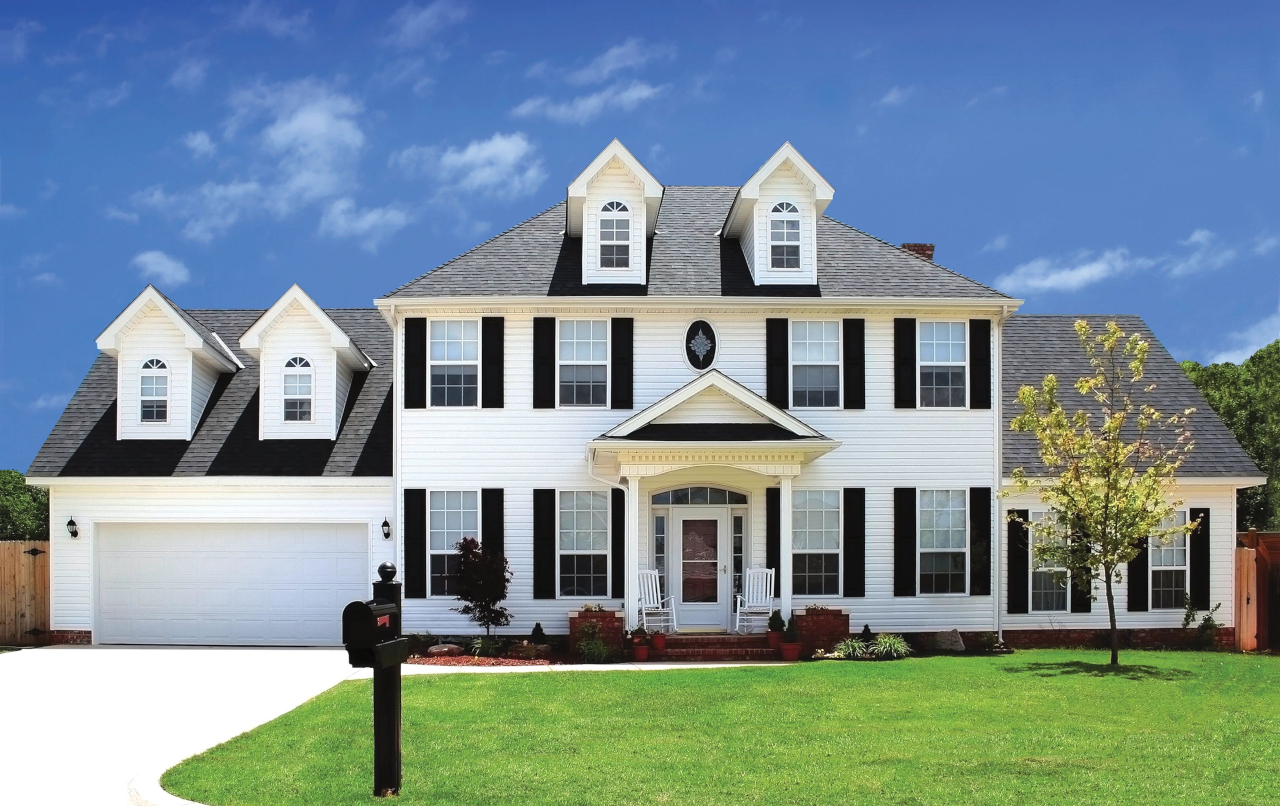
Pictured: Gentek Aurora
Shop Gentek Vinyl Siding
Gentek vinyl siding is available at Standard Supply & Lumber locations throughout Michigan. Request a quote today, and we’ll help you get your project moving.
How Long Does Vinyl Siding Last Compared to Other Siding Materials?
Vinyl isn’t the only option, and a direct comparison puts its lifespan in context. Here’s how the most common siding materials stack up.
| Material | Lifespan | Maintenance | Installed Cost | Michigan Performance |
| Vinyl | 20-40 yrs | Very low | $3-8/sq. ft. | Good; thermal movement requires proper installation |
| Engineered Wood | 30-50 yrs | Low | $5-10/sq. ft. | Excellent |
| Composite | 30-50+ yrs | Very low | $8-14/sq. ft. | Excellent |
| Fiber Cement | 30-50 yrs | Moderate | $8-14/sq. ft. | Excellent; may need to repaint every 10-15 yrs |
| Wood | 20-40 yrs | High | $9-16/sq. ft. | Poor without consistent upkeep + repainting |
Cost ranges are estimates and vary by region, panel profile, insulation option, and labor market. Michigan installed costs may differ from national averages.
View our complete siding materials comparison guide here →
Vinyl vs. Engineered Wood Siding
Engineered wood siding like LP® SmartSide® sits in a different tier. The LP® SmartSide® product line is engineered to resist moisture, fungal decay, and impact damage at a level standard vinyl can’t match. For homeowners who want a longer lifespan and don’t mind the higher upfront cost, LP® SmartSide® is the most practical step up from vinyl in Michigan.
Vinyl vs. Composite Siding
At the premium end of the market, composite siding is worth knowing about. ACRE™ is a rice hull composite product that’s rot-proof, very low maintenance, and built for long-term durability. It’s entering the market as a higher-end exterior option and suits homeowners who want maximum longevity at a premium price point. It’s not the right fit for every project or every budget, but for clients who ask what the longest-lasting, lowest-maintenance siding looks like, it’s part of that conversation.
Vinyl vs. Fiber Cement Siding
Fiber cement performs exceptionally in Michigan’s climate and holds paint well, but it does still need repainting on a 10–15 year schedule, which adds cost over time. Homeowners who want low maintenance and a premium appearance often end up comparing fiber cement to engineered wood rather than vinyl, because both require some periodic attention that vinyl doesn’t.
Vinyl vs. Wood Siding
Looking at the table alone, vinyl and wood share the same lifespan range. So why does almost no one recommend wood for a Michigan home? Because wood’s 20–40 year lifespan assumes it’s been properly maintained the entire time: repainted every 5 to 7 years, kept free of moisture intrusion, and treated for rot wherever it’s exposed. Miss one repainting cycle and the timeline accelerates. Vinyl requires none of that.
What Shortens Vinyl Siding’s Lifespan?
Four specific factors pull vinyl siding’s life expectancy from 40 years down toward 20. Understanding them is how you avoid ending up on the wrong side of that range.
Hail Impact on Thin-Profile Panels
Michigan sees measurable hail every year, and thinner vinyl profiles crack on impact in ways that aren’t always visible right away. Those micro-fractures let moisture behind the panels.
Premium and insulated profiles are significantly more resistant to hail damage, which is worth considering at the time of purchase rather than after a storm.
Panels Installed Without Thermal Expansion Gaps
Vinyl must be fastened through slotted nail holes, with nails centered so the panel can slide as it expands and contracts. A panel that’s face-nailed tight will buckle during the first summer heat wave and crack during the first hard freeze.
If your installer doesn’t mention expansion allowance, it’s a conversation worth having before they start.
Power Washing at Excessive PSI
A garden hose and mild soap is all vinyl siding needs. High-pressure washing, especially at angles that drive water upward behind the panels, accelerates moisture intrusion and can compromise the installation’s integrity over a few seasons. This is one of the most common sources of avoidable damage.
UV Degradation in Lower-Grade Products
Budget vinyl formulations use less UV stabilizer, which means fading starts much earlier. Noticeable color change can begin within 10–15 years on some budget profiles. Premium vinyl with thicker coextrusion and better UV inhibitors holds color significantly longer. When comparing quotes, a substantially lower price often reflects a lower-grade product.
| Our ExperienceThe homeowners who end up replacing vinyl siding at year 15 or 20 typically made the decision based on price per square foot without asking about panel thickness or UV protection. A few extra dollars per square foot on a better product almost always costs less over 30 years than replacing a bargain install twice. Plus, the math doesn’t even include the disruption of a second project. |
What Are the Signs It’s Time to Replace Vinyl Siding?
Siding replacement is a big investment, so it’s worth knowing the difference between damage that warrants a repair and deterioration that calls for full replacement. Here’s what to look for when assessing your home’s exterior.
Signs that replacement makes sense:
- Widespread cracking or brittleness. A cracked panel here and there is normal and repairable. Cracking across large sections of the home, or panels that feel brittle and snap rather than flex, signal that the material has reached the end of its useful life.
- Significant chalking or fading. Run your hand across the siding. If you come away with noticeable color transfer (a chalky residue on your palm) the material is degraded. Uniform fading visible from the street tells the same story.
- Warping or buckling panels. Individual warped panels may point to an installation error that can be corrected. Multiple warping sections across the home indicate either a systemic installation problem or material that’s lost its structural stability.
- Visible substrate damage. If panels are pulling away from the wall and you can see soft spots, rot, or moisture damage in the substrate beneath, replacement is the right call. The scope of work may extend beyond the siding itself.
- Persistent drafts or rising energy bills. Vinyl siding alone isn’t a primary air barrier, but failing siding with compromised housewrap beneath it can meaningfully affect energy performance. If your bills have crept up without another obvious cause, siding condition is worth inspecting.
When repairing your siding is enough:
- If the surrounding material is in good condition, repair is usually the right call. Localized storm damage, such as a hail strike that cracked two or three panels or a branch that damaged a corner section, is almost always repairable. Matching replacement panels to existing color can be tricky if the product line has changed, but a qualified contractor can typically find a close match.
Does Your Home’s Exterior Need Some Love?
Siding is just one piece of the puzzle. Download our free guide for expert advice on planning, budgeting, and executing a full exterior update you’ll rave about.
How Much Maintenance Does Vinyl Siding Require?
Very little. Low maintenance is one of vinyl siding’s strong advantages over other siding materials.
A standard vinyl maintenance routine looks like this:
| How to Clean Vinyl SidingOnce or twice a year, rinse the exterior with a garden hose. If there’s surface buildup, a soft cloth with mild detergent should handle it. No painting. No staining. No sealing. That’s it. |
Compare that to what other materials require:
- Wood siding needs repainting every five to seven years to protect against moisture and rot. A full exterior repaint on a typical Michigan home runs $2,000-6,000 or more, depending on size.
- Fiber cement holds paint well, but it still needs repainting on a 10-15 year schedule.
- Engineered wood like LP® SmartSide® requires periodic inspection and touch-up at cut ends and joints, though significantly less often than traditional wood.
Vinyl doesn’t require any of that. For homeowners who want an exterior that stays looking good without any recurring labor or material costs, vinyl’s maintenance profile can’t be beat.
Shop the Top Choice In Siding at Standard Supply & Lumber
Gentek is Standard Supply & Lumber’s top recommendation for vinyl siding in Michigan. LP® SmartSide® is the step-up choice for homeowners who want a longer lifespan and can invest a bit more upfront.
Not sure which one fits your goals? Our team can help.
Frequently Asked Questions About Vinyl Siding
How much does vinyl siding cost?
Vinyl siding is an affordable roofing option on a per-square-foot installed basis. In Michigan, standard vinyl typically runs $3–$6 per square foot installed, while premium or insulated profiles, like those in the Gentek lineup, run $5–$8 per square foot. By comparison, LP® SmartSide® engineered wood runs $5–$10, fiber cement $8–$14, and composite siding $8–$14 or more. Actual project costs vary based on home size, profile selection, existing siding removal, and current labor availability.
What is the longest-lasting siding material?
Composite siding, fiber cement, and engineered wood all offer 30–50-plus year lifespans under proper conditions. Each option comes at a higher upfront cost than vinyl but requires significantly less maintenance over time than wood.
Is LP® SmartSide® better than vinyl siding?
For homeowners prioritizing long-term durability, LP® SmartSide® is a strong choice. For those prioritizing low upfront cost and near-zero maintenance, premium vinyl is the better fit.
LP® SmartSide® outperforms standard vinyl on lifespan, impact resistance, and structural performance. However, LP® SmartSide® costs more to install and requires periodic maintenance at cut ends and joints.
Can vinyl siding last 50 years?
Most vinyl siding products aren’t rated or warrantied for 50 years. The realistic ceiling for premium insulated vinyl under good conditions is 40–45 years. If a 50-year or longer lifespan is the goal, engineered wood, fiber cement, or composite siding are more appropriate choices.
What color vinyl siding lasts the longest?
Lighter siding colors typically show fading less dramatically than dark colors over time, since dark pigments absorb more UV radiation and change more visibly. That said, product quality matters more than color choice when longevity is the goal. Premium vinyl with strong UV inhibitors holds color significantly longer regardless of shade, so choosing a quality product like Gentek gives you more flexibility in color selection without sacrificing long-term appearance.